
New equipment
New units often bring updated technology and a manufacturer warranty — useful when you want a longer horizon on a core machine.
Equipment Finance with Eric
Helping business owners finance new and used equipment. Competitive rates. Quick closings. Construction, trucking, ag, and manufacturing.
New and used equipment
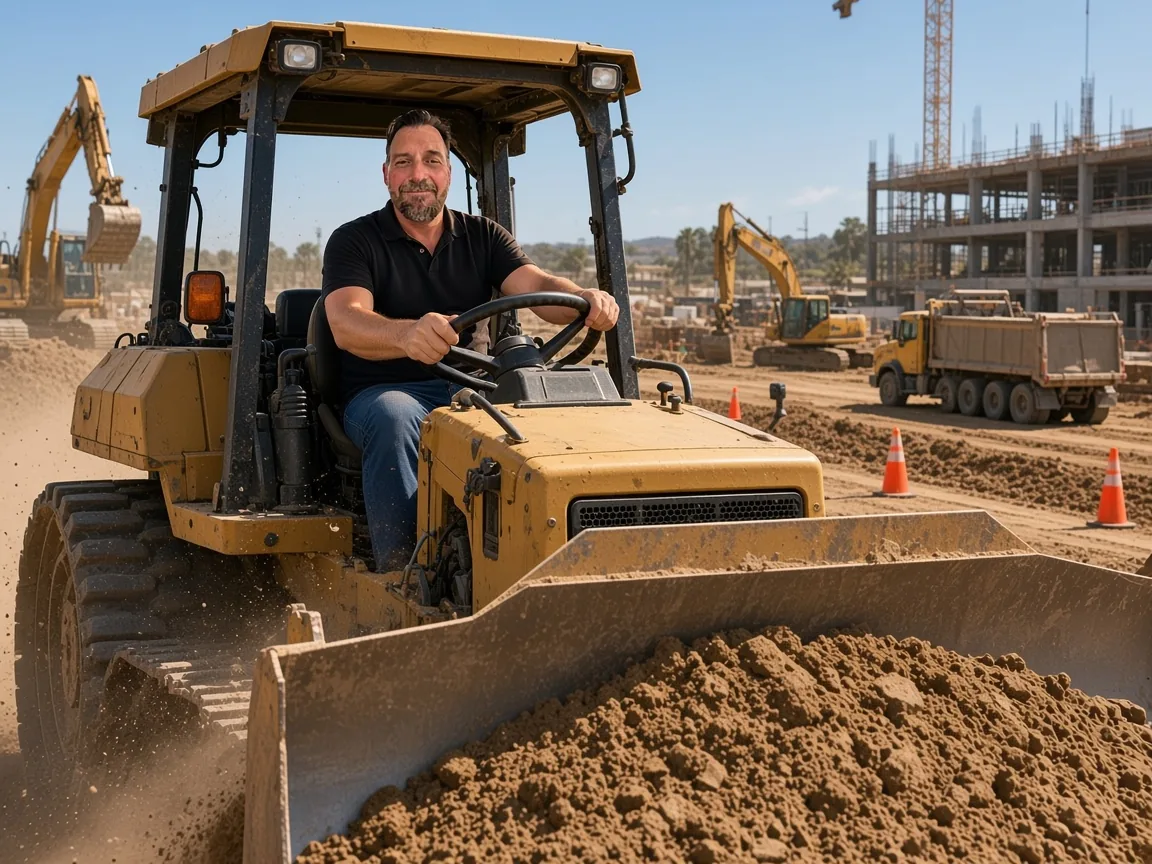
New and used equipment can both be financed. The right choice depends on the job, the budget, and how soon you need to be up and running.
New units often bring updated technology and a manufacturer warranty — useful when you want a longer horizon on a core machine.
Used equipment can lower the acquisition cost and still do the work, provided the age, hours, and condition support the term.
On the financing side, both can be structured around your cash flow, with a process built for a timely close. If you are weighing a new unit against a used one, start an application or call and we can walk through the financing differences before you purchase.

Financing is subject to credit approval. Terms vary by transaction.
2026 tax year
If you are planning to take a Section 179 deduction this tax year, December 31, 2026 is the deadline to place qualifying equipment in service. Financing the equipment does not, by itself, prevent you from discussing the deduction with your tax advisor.
Maximum Section 179 deduction for tax years beginning in 2026.
Phase-out begins when qualifying property placed in service exceeds this amount.
Last day to place qualifying equipment in service for the 2026 deduction.
The equipment generally must be placed in service by December 31, 2026.
This is not tax advice. Your CPA should review eligibility for your situation.
A timely close helps you take delivery before the deadline.
See where you stand before you commit to the purchase.
Limits per IRS Revenue Procedure 2025-32 for tax years beginning in 2026 ($2,560,000 deduction; $4,090,000 phase-out threshold). This is not tax advice; consult your tax advisor about your situation. Financing is subject to credit approval. Terms vary by transaction.
The file
One of the most common questions is what lenders actually review on an equipment file. Every file is different, and approval is never automatic.
How long the company has been operating is typically part of the review — though newer businesses can still start a conversation.
Personal and business credit, cash flow, and recent bank activity are usually in the picture.
New or used, how the transaction is structured, and a clear explanation of how the equipment will be used all matter.
A complete package often matters as much as any one factor. If you want a read on where you stand before you commit to a purchase, a soft-pull pre-qualification is a straightforward first step. A pre-qualification is not a commitment to lend.
Working capital
Writing a check for equipment can feel like the simplest path. It is not always the best use of working capital.
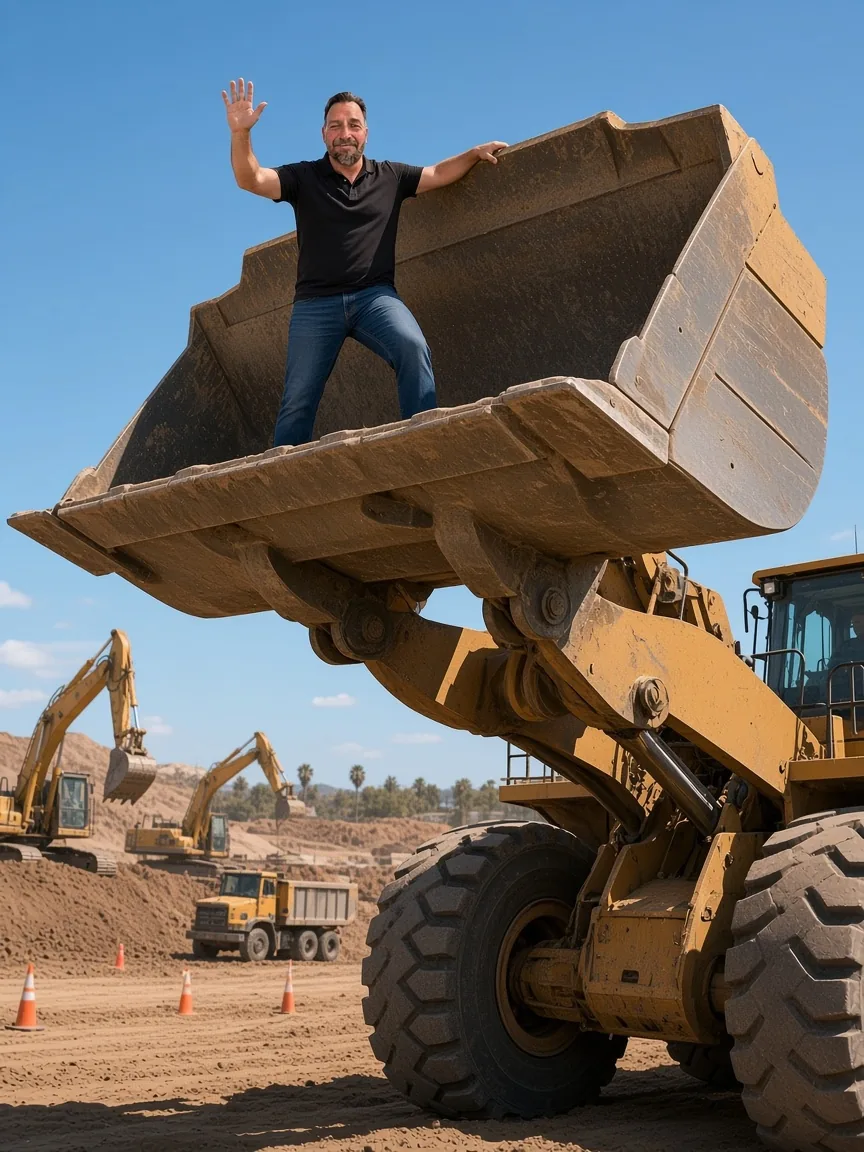
Financing allows you to take delivery and put the machine to work — whether that is a bulldozer, tractor, truck, or other capital equipment — while keeping cash available for payroll, materials, and unexpected jobs. Terms can be structured around how your business actually operates.
Depending on your situation, you may also want to review Section 179 and related tax treatment with your CPA. That is not tax advice, and a financing conversation will not make a tax decision for you.
If you are weighing cash against financing on an upcoming purchase, apply for financing or call 949-554-8856.
Partners
A strong equipment sale should not stall in financing. Eric partners with dealers and vendors to help their customers finance new and used equipment in construction, trucking, agriculture, and manufacturing.
You get a single point of contact, a process built for timely decisions, and communication your sales team can rely on while the buyer moves from quote to delivery. Terms are competitive and determined deal by deal.
Point a customer to the application link or introduce them directly. The goal is a clean handoff and a close that supports delivery — not a delay at the end of the sale.
If you are looking for a dedicated finance contact for your customers, call 949-554-8856 or email eric@ecgllc.com.
Newer companies
You do not need a long operating history just to start a conversation about equipment financing.
A soft-pull pre-qualification is often the right first step. It gives you a read on where you stand before you commit to a purchase, without the same credit impact as a hard pull. From there, we can talk honestly about structure, timing, and what a complete file looks like.
If you are a newer business with equipment on your list, apply or call and we can begin with a soft pull and a straightforward review.
Financing is subject to credit approval. Terms vary by transaction. A pre-qualification is not a commitment to lend.
On Instagram
Practical posts on new vs. used equipment, Section 179 timing, what lenders look for, financing vs. cash, and working with dealers — written for contractors, fleet owners, and vendor partners.
Follow on InstagramPrefer video? Watch on YouTube at @EquipmentFinanceWithEric.
The profile is the public home for this same conversation: construction equipment financing, tractor and heavy equipment loans, and how to get a file ready without the runaround.
Questions are welcome there, or you can skip ahead and apply for financing.
Questions
Yes. New and used equipment can both be financed. New units often bring updated technology and a manufacturer warranty. Used equipment can lower the acquisition cost and still do the work, provided the age, hours, and condition support the term.
In general, a lender will review time in business, personal and business credit, cash flow and recent bank activity, the equipment (including whether it is new or used), and how the transaction is structured. A complete package and a clear explanation of how the equipment will be used often matter as much as any one factor. Every file is different, and approval is never automatic.
Writing a check for equipment can feel like the simplest path, but it is not always the best use of working capital. Financing allows you to take delivery and put the machine to work while keeping cash available for payroll, materials, and unexpected jobs. Terms can be structured around how your business actually operates.
For tax years beginning in 2026, the maximum Section 179 expense deduction is $2,560,000. That limit is reduced as the cost of qualifying property placed in service exceeds $4,090,000, per IRS Revenue Procedure 2025-32. Qualifying equipment generally must be placed in service by December 31, 2026. Financing the equipment does not, by itself, prevent you from discussing the deduction with your tax advisor. This is not tax advice; consult your tax advisor about your situation.
Yes. You do not need a long operating history just to start a conversation about equipment financing. A soft-pull pre-qualification is often the right first step. It gives you a read on where you stand before you commit to a purchase, without the same credit impact as a hard pull. A pre-qualification is not a commitment to lend.
Yes. Eric partners with dealers and vendors to help their customers finance new and used equipment in construction, trucking, agriculture, and manufacturing. Dealers get a single point of contact and a process built for timely decisions while the buyer moves from quote to delivery.
No. Eric LoBosco is based in Aliso Viejo, in Orange County, California, and works with business owners nationwide.
Call Eric LoBosco at 949-554-8856 or start an application at envisioncapitalgroup.com/application/eric. You can also follow Equipment Finance with Eric on Instagram at @equipmentfinancewitheric1. Financing is subject to credit approval. Terms vary by transaction.
Apply online, call, or follow along on Instagram and YouTube. Based in Orange County, working with business owners nationwide.